

Nobody checks the cameras
until they need the footage.
A drive fails. A camera drops off the network. A clock drifts by six minutes. None of it announces itself — the system looks exactly the same from the outside. You find out standing in front of a screen with somebody who needs an answer.
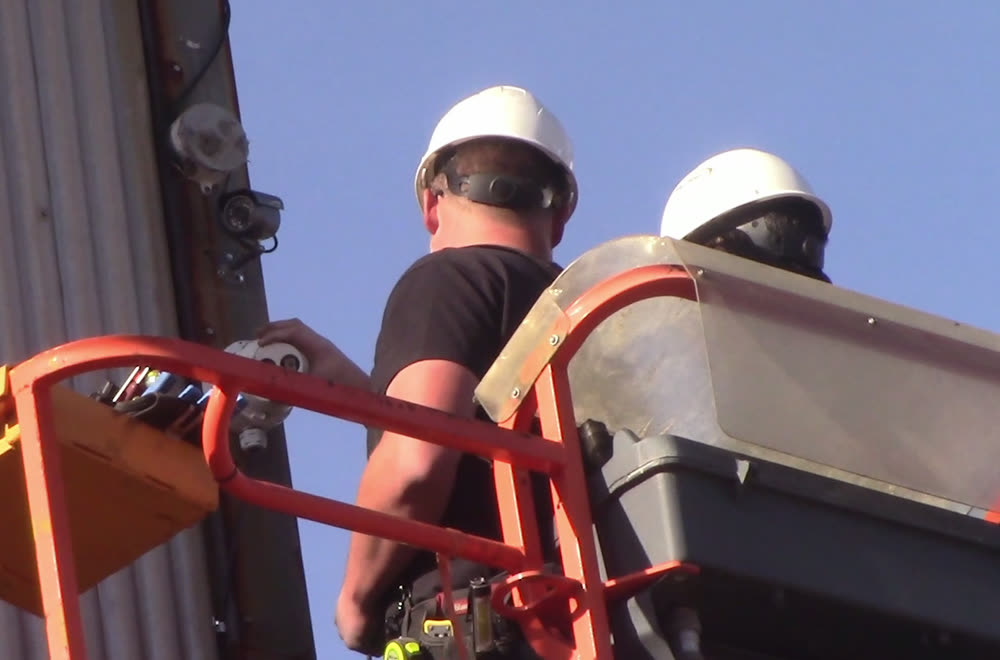
A camera system fails quietly, and keeps looking fine
Most businesses that have cameras do not entirely trust them, and they are right not to. The picture is poor in the one spot that mattered. There is a blind corner nobody noticed until afterwards. The footage is somewhere on a box in a closet and the person who knew how to get it out has left.
The failure that costs the most is the quiet one. A recording drive is a consumable — it is writing continuously, every day, for years, and it wears out. When it goes, the cameras carry on showing a live picture. The screens look normal. Nothing is being kept.
That gap is only ever discovered in one way: somebody asks for the footage. A slip in the parking lot, a delivery that was signed for and never arrived, an accusation between two members of staff. The question is simple and the answer has to exist already. By the time you are looking, it is far too late to find out the system stopped three months ago.
Three things we find on almost every system somebody else installed
-
A kit meant for a house
Four cameras in a box from a warehouse club or a marketplace, bought because it was a tenth of the price. It works, and it goes on working right up until the week somebody needs it to have been working.
-
Clocks that disagree
The recorder says 2:14. The door system says 2:08. The receipt says something else again. Each one is internally consistent and no two of them line up, which is how a clear sequence of events becomes an argument.
-
Nobody has looked since the day it went in
No record of what was agreed, no note of how long footage is kept, and no way to tell whether it is still recording. The system has been running unattended for years and nothing has ever reported on it.
You do not have the footage you think you have
Nothing in the building told anybody.
Nothing in that picture is unusual. The drive wore out, which is what recording drives do. The cameras carried on showing a live picture, because showing and keeping are two different jobs and only one of them stopped. Every screen in the building looked right for four months.
A system that works sometimes is worse than no system at all, because you stop thinking about the question. It is the difference between knowing you cannot prove what happened and believing you can.
We cannot promise to watch it. We can make it shout.
We do not sell a monitoring service, and we are not going to imply one. What we do instead is set the system up so it reports its own failures, and check the two things that silently break every time we are in front of it.
-
It emails you when something breaks
A camera dropping off the network, a recording drive failing, repeated failed logins against the system. Configured at installation, sent to a person who will act on it. That is the difference between finding out in a week and finding out in October.
-
Clocks and recording, checked every visit
Any time we touch a system — for anything — we confirm the time stamps are right and that it is genuinely recording. Those are the two failures that destroy an investigation, and neither shows on a screen.
Cameras tell you what happened. Door access tells you who was there, and when — and with the clocks in step, one answers the other. How door access works →
The four questions everybody asks, answered straight
-
Can I see it from my phone?
Yes, and pull footage remotely too, which is the part people actually want. It is the single most used feature on every system we install, and we set it up as part of the job rather than leaving you a manual.
-
How long is footage kept?
We aim to start you at a month. Be aware that this is the one number your budget decides rather than we do — retention is storage, storage is drives, and drives have got more expensive rather than less.
Trade-off More cameras at higher quality means less history on the same drive. We will tell you what a month actually costs for your building before you choose.
-
Is the footage backed up?
We recommend it, and most people decline it on price. We would rather say that plainly than let you assume it is included.
Trade-off Without it, the recording drive is a single point of failure — and it is the component most likely to fail, because it never stops writing.
-
Will it alert me when something moves?
It can, and almost nobody keeps it on. Every passing car and every branch in the wind becomes a notification, and within a week it is muted or ignored — which is worse than never having had it.
Trade-off Scheduled alerting works where blanket alerting does not: out of hours only, or one camera that covers a door that should never open at night.
That recorder is a computer on your network
A cheap recorder is not a sealed appliance. It is a small computer with a network connection, an administrator password that is often still the factory one, and firmware that gets updated rarely or never. It sits on the same network as your accounts system.
Most of them also talk to a cloud service outside the building so the phone app works — one the buyer did not choose and cannot see into. That is a device nobody is patching, holding a camera feed of your premises, reachable from the internet.
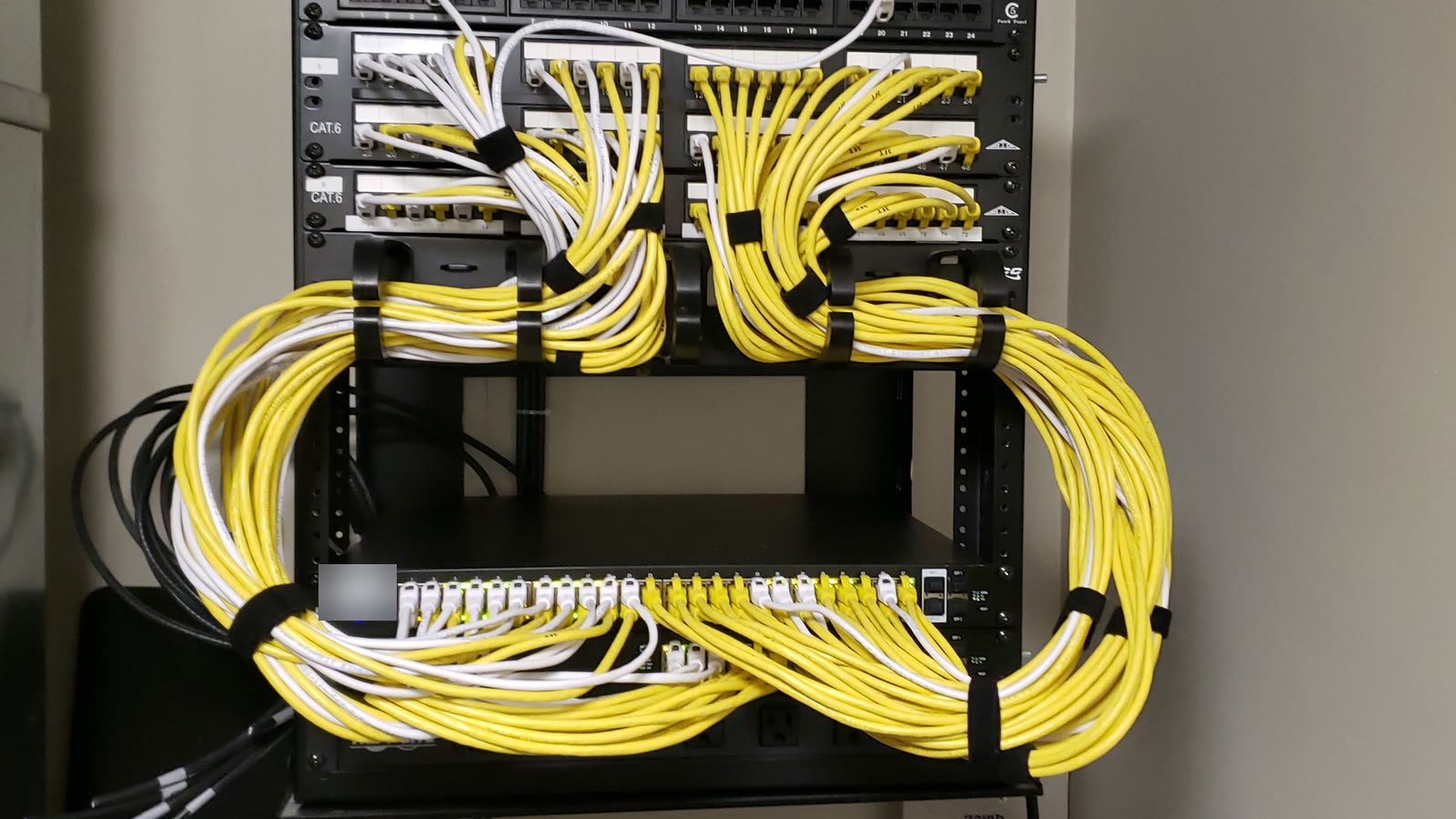
We install cameras as part of a network we are responsible for: segmented away from the business systems, credentials changed, and included in the same patching discipline as everything else. It is the same box on the wall. It is not the same risk.
Questions we get asked
Do you monitor our cameras for us?
No. We do not offer a paid monitoring service, and we would rather tell you that than let the word sit on a page and be assumed. What we do is set the system up so it emails you when a camera drops off, a drive fails, or somebody tries repeatedly to log in — and we check the recording and the clocks every time we are on site for anything.
Can you work on the system we already have?
Usually. The first thing worth doing is finding out whether it is recording, how far back it goes, and whether the clocks are right — which is a short visit rather than a project, and often answers the question of whether it is worth keeping.
Can we add door access later?
Yes, and in either order. Cameras now and doors in three years is a normal way to buy, and both have room to grow. Where the two are installed as one system they behave as one; where they are separate, footage still matches the door log as long as the clocks are in step. Door access →
Will the cameras slow our internet down?
Recording happens inside the building, so the footage is not crossing your internet connection unless somebody is watching remotely. Where it does matter is a site with a lot of cameras and a thin connection, and that is a question about the network rather than the cameras. How we design the network →
Do you do the wiring as well?
Yes — the cameras, the cable and the head end they land in are one job for us rather than three trades. Structured cabling →

Find out whether it is actually recording
Tell us roughly what you have and where it is, and we will come and look at it. You get a straight answer on whether it is recording, how far back the footage goes, whether the clocks are right, and what it would take to close the gaps — before anybody quotes you for equipment.
Cameras tell you what happened. Door access tells you who was there →
724-838-7526Thank you — we'll be in touch.
A member of our team will reach out within one business day to arrange the visit. If it's urgent, call 724-838-7526 and ask for the help desk.